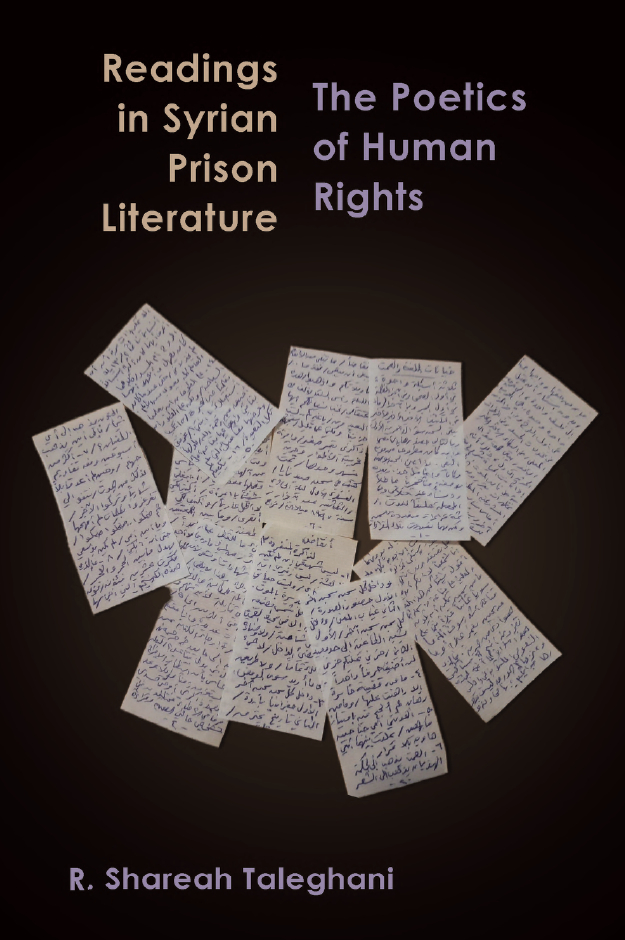
The simple act of inscription, both minute and epic, can be a powerful tool to bear witness and give voice to those who are oppressed, silenced, and forgotten. In the eras of Hafiz al-Asad and his son Bashar, Syrian political dissidents have written extensively about their experiences of detention, both while in prison and afterwards. This body of writing, largely untranslated into English, is essential to understanding the oppositional political culture among dissidents since the 1970s—a culture that laid the foundation for the 2011 Syrian Revolution.